

Heat exchangers are vital components in various industries, playing a crucial role in regulating temperature and ensuring process efficiency. Among the different types of heat exchangers, compact plate heat exchangers have gained attention for their superior performance metrics. They are renowned for their ability to facilitate heat transfer between two fluids effectively while occupying less space than their traditional counterparts. In this article, we will delve into the myriad of benefits these units offer to industrial operations.
Understanding Compact Plate Heat Exchangers and Their Role in Industry
Compact plate heat exchangers consist of multiple, thin, corrugated plates assembled in a frame, creating a series of channels through which fluids can flow. They operate on the principle of heat transfer through plate surfaces separating the fluids without mixing them. The corrugated pattern in the plates promotes turbulence, enormously boosting thermal efficiency.
The industrial applications of these exchangers are diverse, ranging from heating and cooling in food and beverage production to temperature regulation in chemical processing. One of the critical attributes of Compact plate heat exchange units is their scalability. Industries can add or remove plates to adjust capacity as necessary, which is invaluable for businesses whose operations evolve.
The implementation of compact plate heat exchangers also facilitates process intensification, which is becoming increasingly important in modern industries. By enhancing the heat transfer, the units enable processes to operate at optimal temperatures more quickly, thus improving production cycles and reducing time-to-market for products.
Moreover, the precision control offered by these exchangers enables industry standards for product quality to be more easily met. Efficient temperature management enables fine-tuning of conditions, ensuring the integrity of sensitive materials and reactions in various industrial processes.
Enhanced Heat Transfer Efficiency of Compact Plate Heat Exchangers
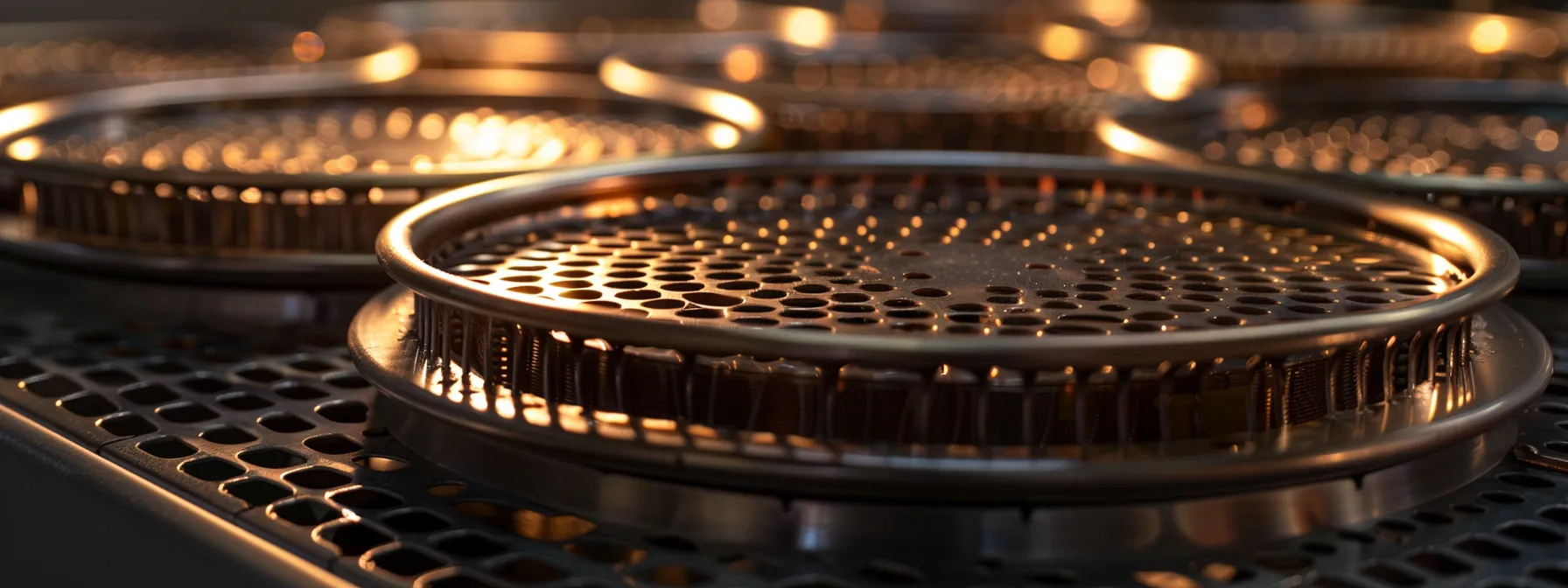
The enhanced heat transfer efficiency of compact plate heat exchangers is one of their most impressive features. This efficiency is due to the large surface area available for heat exchange relative to the volume of fluid being processed. Consequently, even with a smaller volume of fluid, these units can achieve high rates of heat transfer.
Additionally, the specific design of compact plate heat exchangers facilitates a much closer approach temperature, which is the smallest temperature difference between the hot and cold fluids. By achieving closer approach temperatures, the system ensures that as much energy as possible is transferred rather than wasted.
This high efficiency of heat transfer means that industries can achieve desired temperatures with less energy consumption. As energy costs constitute a significant part of operational expenses, the use of these heat exchangers can lead to substantial cost savings over time. It’s an investment that pays off both financially and in terms of process optimisation.
Not to be overlooked is the inherent design of these units that leans toward energy conservation. This design makes them ideal for integration into systems aiming for sustainable operations, such as cogeneration or geothermal applications, where every fraction of energy saved makes a significant difference.
Space and Cost Savings with Compact Plate Heat Exchange Units
Industrial facilities often grapple with space constraints. Compact plate heat exchanger offer a significant advantage due to their compact footprint, enabling efficient use of space without compromising performance. With their modular nature, facilities can expand or adjust capabilities without needing extensive additional space.
When it comes to cost savings, these units offer both short and long-term benefits. The initial investment is often lower than for larger, bulkier heat exchangers, and the ongoing operational costs are reduced due to their energy-efficient nature. This directly impacts the bottom line by reducing both capital and operational expenditures.
Moving beyond the direct costs, the installation and integration of compact plate heat exchangers can be less complex and expensive than traditional options. Their easy-to-connect design reduces labour hours required for installation, which can be a significant part of the initial setup cost.
From a financial perspective, the increase in thermal efficiency can lead to improved process yields and enhanced product quality. This can lead to higher profitability by reducing waste and ensuring that products consistently meet or exceed industry standards.
The utilisation of compact plate heat exchange units presents a compelling argument for industry leaders looking to boost efficiency, reduce costs, and minimise environmental impact. Overall, these innovative systems represent a technological advance that aligns with both economic interests and the pursuit of sustainable industrial practices.