
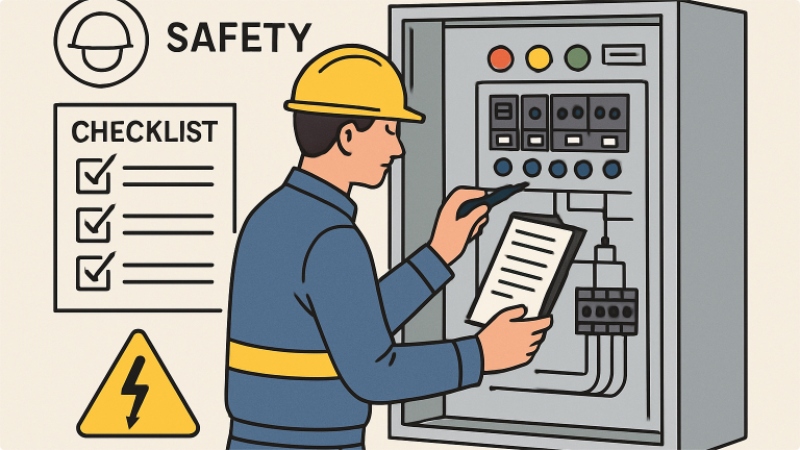
Key Takeaways
- Regular electrical maintenance enhances safety by preventing hazards such as fires and electric shocks.
- Well-maintained equipment operates more efficiently, resulting in reduced energy costs and a lower environmental impact.
- Routine checks help extend the life of equipment and prevent costly, unexpected breakdowns.
- Following maintenance schedules ensures compliance with legal and insurance standards, protecting your business or home.
- Operational disruptions are minimized, supporting business productivity and peace of mind.
Table of Contents
- Enhanced Safety
- Improved Energy Efficiency
- Increased Equipment Lifespan
- Prevention of Unexpected Breakdowns
- Compliance with Legal and Insurance Standards
- Minimized Disruption and Downtime
Regularly maintaining electrical equipment is a crucial aspect of operating a safe, efficient, and reliable home or business. Routine inspections and timely servicing reduce the risk of hazardous situations and boost your equipment’s performance. Proactive care allows you to identify problems before they escalate, making electrical systems safer and more dependable for everyone involved. For more information on professional testing and refurbishing solutions, visit https://divergentalliance.com/electrical-equipment-testing-refurbishing/. When overlooked, minor electrical faults can develop into serious complications that endanger both people and property. Wear and tear from daily use may be invisible at first, but can progress to cause failures, energy waste, and costly equipment replacements. Consistent maintenance helps detect these issues early, lowers your power bills, and safeguards the value of your investment. More importantly, it positions your facility, whether residential or commercial, for sustained operation and regulatory compliance.
The true value of recurring maintenance lies in the prevention it offers. Instead of waiting for equipment to break down, a thoughtful maintenance plan anticipates wear and addresses small faults before they interrupt daily life or work. This not only keeps your electrical system running smoothly but also protects the people and assets that rely on dependable power.
By scheduling routine maintenance and upgrades, you ensure your electrical systems meet the latest safety standards and optimize their performance for years to come.
Enhanced Safety
Electrical safety should be a top priority in any setting. Frayed wires, loose connections, and overloaded circuits are among the most common causes of shocks, fires, and even fatalities. Through routine inspections, potential hazards can be identified before they become catastrophic, offering invaluable protection for both property and occupants. Expert maintenance teams are trained to spot early warning signs—including abnormal heat, corrosion, or unusual noises—and address them promptly. Preventing these dangers is far less costly and disruptive than recovering from an incident.
Improved Energy Efficiency
Inefficiencies in electrical equipment are often subtle, resulting in wasted energy and inflated utility bills. A well-maintained system operates at peak performance, ensuring that every kilowatt of electricity is utilised productively. Technicians can help recalibrate, replace outdated components, and eliminate phantom loads—hidden sources of electricity consumption that add up over time. According to the U.S. Department of Energy, systematic maintenance efforts can save homeowners and businesses significant amounts each year and reduce environmental impact.
Increased Equipment Lifespan
Like all mechanical and electronic devices, electrical equipment greatly benefits from regular maintenance. Dust, corrosion, and worn-out parts can silently reduce a device’s operating life, necessitating frequent replacements. When you invest in ongoing maintenance, you delay the aging process, improve reliability, and avoid untimely failures. This extends the useful lifespan of your equipment, yielding long-term savings and ensuring that critical functions remain uninterrupted.
Prevention of Unexpected Breakdowns
An unexpected breakdown can be far more disruptive and expensive than taking preemptive action. Without maintenance, the risk of equipment failure increases, often catching property owners off guard. Scheduled inspections and repairs can forecast and prevent many common problems, from tripped breakers to large-scale system outages. Planning and proactive repairs help preserve continuity for businesses and help households avoid sudden losses of power or essential services.
Compliance with Legal and Insurance Standards
Electrical standards evolve to reflect new knowledge, advancements in technology, and evolving safety practices. Regulatory compliance is therefore not only about avoiding fines but also about guaranteeing the safest environment possible. Many insurance providers require proof of regular maintenance and code adherence for policies to be valid. Falling behind on maintenance may void your insurance or expose you to lawsuits and liability claims if accidents occur as a result of negligence. Staying current with scheduled maintenance helps your property pass inspections, secure insurance coverage, and provide a secure environment for everyone involved.
Minimized Disruption and Downtime
Every business understands that time lost to electrical failures is money lost to idle labor and delayed projects. Maintenance allows organizations to schedule repairs and upgrades at convenient times, avoiding emergency shutdowns or unexpected outages. Planned service minimizes disruption and supports productivity by keeping operations seamless. For homes, it means uninterrupted comfort, security, and convenience, all of which contribute to the overall quality of life.
In summary, maintaining your electrical equipment is a forward-thinking strategy that pays off through increased safety, cost savings, and uninterrupted performance. Proactive scheduling and investment in professional care secure the long-term value of your assets and create peace of mind for everyone who depends on your electrical infrastructure. Visit Techflexor.net for more details.