
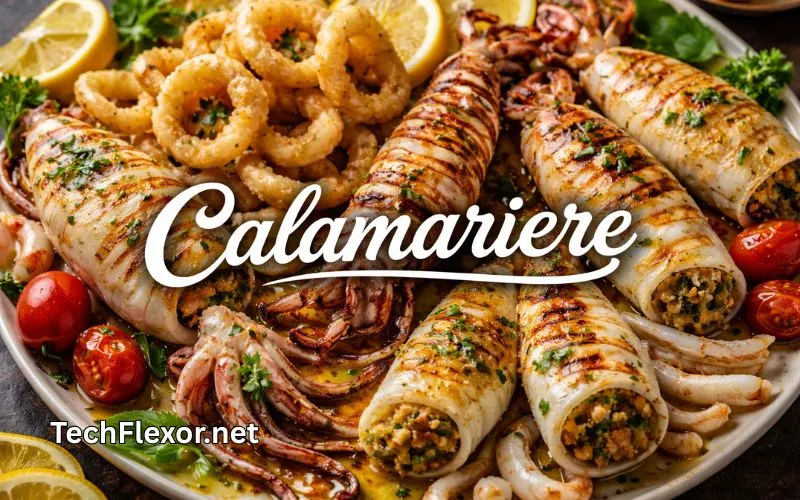
Curiosity around calamariere continues to grow as food lovers explore new seafood ideas. At its core, calamariere highlights a refined way of preparing squid-based dishes using careful methods and fresh ingredients. Unlike basic fried options, it connects deeply with Mediterranean seafood cuisine and long-standing seafood culinary traditions. You’ll notice how it emphasizes precision, flavor balance, and creativity, much like evolving global food insights shared in modern food trends.
Many chefs treat it as part of a broader culinary philosophy of squid, where technique truly matters. From tender grilled plates to rich stews, calamariere reflects evolving tastes. Understanding it also helps you appreciate different squid cooking techniques and how simple ingredients can transform seafood into something exceptional and memorable.
What Is Calamariere? (Simple Explanation)
You might wonder what is calamariere, and the answer is more interesting than expected. In simple terms, calamariere refers to a refined way of preparing squid through thoughtful techniques. It goes beyond basic frying and highlights squid-based dishes rooted in Mediterranean seafood cuisine and careful squid cooking techniques, similar to how unique culinary ideas evolve such as levapioli cooking concepts.
Many people also ask, is calamariere a real word or just a trend. The truth is mixed. It is not formal, yet widely used in modern food writing. The idea focuses on fresh squid cooking, combining seafood culinary traditions with creativity to elevate everyday seafood dishes.
Meaning, Etymology & Origins of Calamariere
The story behind calamariere meaning begins with language. The word connects to Italian “calamaro,” meaning calamari or squid. Over time, it evolved into a broader idea linked with artisanal seafood cooking and deep-rooted traditional Mediterranean cooking practices.
Historically, coastal communities shaped these methods through survival and skill. Fishermen developed squid preparation methods based on freshness and timing. This built a strong regional seafood identity and lasting seafood heritage cooking traditions still seen in Mediterranean cuisine today.
Calamariere vs Calamari – What’s the Difference?
Understanding calamariere vs calamari helps avoid confusion. Calamari usually refers to fried squid rings, while calamariere represents a wider range of types of squid dishes. It includes grilling, stuffing, and slow cooking methods found in advanced squid recipes.
Here is a simple comparison to explain the difference between calamari and calamariere clearly:
| Feature | Calamari | Calamariere |
| Meaning | Fried squid dish | Cooking concept |
| Scope | Limited | Broad |
| Styles | Frying only | Multiple squid cooking styles |
This also connects to topics like calamari vs squid and even squid vs calamarata, where calamarata pasta visually resembles squid rings but is completely different.
Is Calamariere a Dish, Concept, or Culinary Style?
Many readers feel confused at first, but calamariere explained makes it simple. It is not just a dish. Instead, it represents a culinary philosophy of squid that values technique, freshness, and creativity in cooking.
In modern kitchens, this idea expands further. Chefs experiment with seafood craftsmanship and create new forms of seafood preparation techniques. This approach blends tradition with innovation and reshapes how people view coastal food traditions.
How Calamariere Is Prepared & Cooked
Cooking defines everything, and how to cook calamariere depends on mastering methods. Frying requires the right frying squid temperature, while grilling depends on correct grilling squid time. Each method transforms squid differently using precise squid cooking tips.
For example, frying creates crispy texture, grilling adds smoky flavor, stuffing builds richness, and braising delivers tenderness. These methods reflect classic grilled squid recipes, stuffed squid dishes, and braised squid recipes using simple ingredients like olive oil, garlic, and lemon.
Taste, Texture & Key Characteristics
Flavor plays a key role in calamariere explained. The squid flavor profile is mild and slightly sweet. It absorbs seasoning easily, making it perfect for seafood marination and diverse seafood dishes.
Texture is equally important. Perfectly cooked squid feels soft yet slightly firm. However, many people ask why squid becomes rubbery. The answer is overcooking. Mastering squid texture and taste ensures a pleasant experience every time.
Nutritional Value & Health Benefits
Health benefits make this topic even more appealing. According to squid nutrition facts, it is a high protein seafood option packed with nutrients. It contains omega-3 in squid, which supports heart health and reduces inflammation.
Additionally, it provides vitamin B12 seafood benefits and remains a low calorie seafood choice when grilled or braised. When combined with other nutrient-rich foods like powerful superfoods for better health, it becomes part of a well-balanced diet.
Cultural Significance & Global Popularity
The roots of calamariere explained lie in strong cultural traditions. Coastal regions built their identity around Mediterranean cuisine, shaping unique Italian seafood dishes, Greek seafood traditions, and Spanish tapas squid recipes.
Today, its popularity has expanded worldwide. Social media highlights Japanese squid dishes and modern fusion meals. This global spread reflects evolving coastal food culture while preserving classic seafood heritage cooking values. You can explore more about Mediterranean cuisine traditions on Wikipedia.
Common Cooking Mistakes to Avoid
Even simple recipes can fail without care. The biggest issue is overcooking, which answers the question why squid becomes rubbery. Proper timing is essential when learning how to cook squid.
Other problems include skipping cleaning steps and ignoring drying before frying. Learning how to clean squid and using methods like squid milk soak improves texture. These steps help avoid common squid cooking mistakes to avoid.
How to Cook Calamariere at Home (Beginner Guide)
Cooking at home feels simple when you understand the basics. Start by learning how to clean and prepare fresh squid, then apply simple methods. Use light seasoning with olive oil, garlic, and lemon for best flavor.
The best way to cook squid without rubbery texture is quick cooking or slow braising. For example, try a braised squid recipe with cherry tomatoes and white wine, or fry quickly using correct heat. This approach makes Mediterranean squid recipes at home easy and enjoyable.
Final Thoughts on Calamariere Explained
Understanding what is calamariere in cooking opens a new perspective on seafood. It blends tradition with innovation, focusing on quality and skill. Once you apply proper squid tenderizing methods and techniques, you’ll see why this concept continues growing in modern kitchens.
FAQ’s:
- What is the Latin word for squid?
The Latin word for squid is “Loligo”, which is also used as a scientific genus name for several squid species. - What is calamari called in Italy?
In Italy, calamari is simply called “calamari”, which refers to squid used in various traditional dishes. - Is calamari a squid or octopus?
Calamari is made from squid, not octopus, although both are types of cephalopods. - Is calamari healthy or unhealthy?
Calamari can be healthy when grilled or baked, but fried versions are higher in calories and fat. - Why don’t Muslims eat squid?
Most Muslims consider squid halal and eat it, especially in coastal regions, though some schools of thought may differ. - What do Americans call squid?
Americans usually call it “squid,” but when served as food, especially fried, they often call it “calamari.” - Why do Jews not eat squid?
According to kosher dietary laws, squid is not allowed because it does not have fins and scales. - How do I prepare Calamariere to avoid a rubbery texture?
Cook squid either very quickly (2–3 minutes) or slow-cook it; overcooking makes it rubbery. - What are the best cooking methods for Calamariere?
Grilling, frying, stuffing, and braising are the best methods, depending on the texture and flavor you want. - Why is Calamariere gaining popularity?
It’s gaining popularity due to growing interest in Mediterranean cuisine and creative seafood cooking techniques.
Learn more about us or contact us to publish your content.