
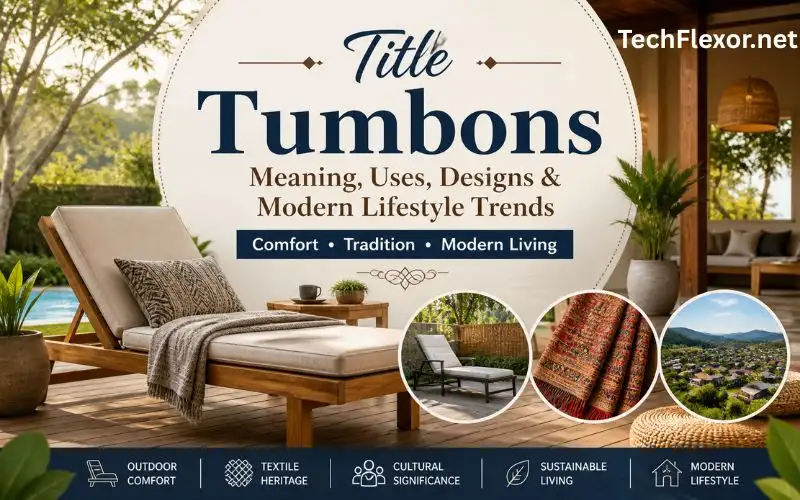
Comfort takes many forms, and tumbons capture that idea beautifully. Whether you see them as an outdoor reclining lounger or a cultural symbol, their appeal keeps growing. Today, the tumbons meaning goes beyond furniture and connects with lifestyle, design, and creativity. Many homeowners now choose outdoor seating furniture that blends relaxation with style. Often inspired by ideas from modern patio and garden setups.
At the same time, interest in slow living lifestyle and craftsmanship has pushed tumbons into new spaces. From patios to textiles, their flexibility stands out. If you’re exploring better comfort or smarter design, understanding tumbons definition will help you see why this concept is gaining attention across modern living environments.
What Are Tumbons? Meaning, Origins, and Definitions
The term tumbons carries layered interpretations that spark curiosity. At its core, the tumbons meaning connects to comfort, structure, and adaptability. Derived from the Spanish word “tumbón”, it reflects a relaxed reclining posture used in both physical and conceptual settings. Today, the tumbons definition expands across outdoor furniture, textile culture, and lifestyle philosophy.
In modern contexts, tumbons origin reveals a blend of tradition and innovation. You’ll often see it linked with an outdoor reclining lounger, a patio lounge chair, or a reclining outdoor chair designed for ergonomic outdoor seating. At the same time, it reflects an adaptive framework that supports balance, purpose, and comfort and productivity in daily life, similar to evolving concepts explained in modern adaptive frameworks.
Origin and Multiple Meanings of Tumbons
Language evolves as people adapt ideas, and tumbons shows this clearly. Initially tied to rest, it now represents furniture, clothing, and thought systems. This diversity explains why the tumbons definition feels broad yet connected. In the USA, it merges modern outdoor furniture trends with slow living lifestyle practices.
Interestingly, each meaning shares the same DNA. Whether it’s outdoor seating furniture or slow fashion textiles, the focus remains on usability and intention. This connection helps explain why tumbons appear in both patio and garden spaces and creative workflows built on adaptability and flexibility.
Tumbons as Outdoor Furniture
Step into a backyard, and tumbons often appear as a patio lounge chair or reclining outdoor chair. These pieces focus on ergonomic design and strong lumbar support. Built with weather-resistant materials, they improve relaxation in patio furniture setup and enhance garden seating ideas, much like curated collections found in designer furniture sourcing guides.
Tumbons as Textiles and Garments
Beyond furniture, tumbons also describe a handmade woven wrap rooted in textile tradition. These garments use natural fibers like cotton, linen, and silk. Crafted using traditional looms, they feature geometric patterns and cultural motifs tied to heritage and textile craftsmanship, similar to evolving apparel trends like modern garment collections.
Tumbons as Thai Administrative Areas
In another context, tumbons represent local administrative units in Thailand. These regions support governance and community services. According to Wikipedia, a tambon is a subdistrict that plays a key role in local administration. Although unrelated to outdoor furniture, this meaning adds depth and shows how one term can carry multiple cultural identities.
Tumbons as a Lifestyle Concept
Modern thinkers use tumbons as a metaphor for intentional work and work-life balance. It promotes slow living and supports a healthy creative process. This approach blends structure with ease, creating a system that values adaptability and flexibility. Similar to evolving conceptual systems like emerging modern frameworks.
Historical Background and Cultural Significance
The history of tumbons reflects evolving human needs. Early uses focused on rest and comfort, but over time, the idea expanded into design and culture. Today, it connects traditional garments textile practices with modern outdoor furniture trends in the USA.
Culturally, tumbons represent more than objects. They embody conscious making and craftsmanship. Whether seen in handwoven textiles or teak outdoor furniture, the concept reflects a balance between heritage and innovation.
Community Identity and Traditions
Communities shape meaning through tradition. Tumbons often reflect identity through natural dyeing, handmade production, and symbolic designs. These elements preserve culture and connect generations through shared craftsmanship.
Role in Local Culture and Lifestyle
Daily life integrates tumbons naturally. In homes, they enhance home outdoor decor ideas. In creative spaces, they support comfort and productivity. This dual role makes them both functional and meaningful.
Types of Tumbons: Traditional vs Modern Designs
Design evolution defines how tumbons fit modern homes. Traditional styles use rot-resistant wood like teak wood and cedar wood furniture. These designs highlight craftsmanship and suit rustic settings.
Modern styles shift toward aluminum outdoor chair frames and synthetic wicker furniture. These options focus on outdoor durability and minimal upkeep. The contrast between traditional vs modern furniture design helps buyers choose based on taste and environment.
Materials Used in Tumbons and Their Benefits
Material selection plays a critical role in performance. Tumbons often use weather-resistant materials that handle UV exposure resistance and moisture resistance. This ensures long-term use in changing climates.
Choosing the right material depends on location and lifestyle. For example, coastal areas need rust-proof metal, while sunny regions require UV resistant outdoor materials. Each option impacts comfort and durability.
Wood, Metal, and Natural Materials
Natural materials like teak wood and cedar wood provide strength and beauty. These woods offer natural protection and age well. Metals such as aluminum and steel deliver strength and portability, making them ideal for outdoor use.
Synthetic and Fabric Options
Modern tumbons often include resin wicker or synthetic weave. These materials resist wear and require less care. Cushions made from solution-dyed acrylic or polyester fabric improve comfort and handle outdoor conditions well.
Benefits of Using Tumbons in Daily Life
Using tumbons improves daily comfort in simple ways. They support relaxation, enhance posture, and create inviting outdoor spaces. As outdoor seating furniture, they transform patios into functional living areas.
Beyond comfort, tumbons promote a slow living lifestyle. They encourage rest without guilt. This balance supports both physical ease and mental clarity.
Indoor vs Outdoor Use of Tumbons
Versatility makes tumbons highly valuable. Outdoors, they serve as durable seating in patio and garden spaces. Indoors, they act as stylish relaxation pieces.
However, material choice matters. Outdoor use requires outdoor durability and resistance features. Indoor use focuses more on aesthetics and comfort.
How to Choose the Perfect Tumbon for Your Space
Choosing the right tumbons starts with understanding your space. Small patios need compact designs, while large yards allow flexible layouts. Matching design with purpose ensures better results.
Here is a simple comparison table to guide selection:
| Feature | Best Choice |
| Small space | Lightweight aluminum outdoor chair |
| Rustic design | teak outdoor furniture |
| Low maintenance | synthetic wicker furniture |
| High comfort | Cushions with outdoor cushion fabrics |
Maintenance and Care for Tumbons
Proper care extends the life of tumbons significantly. Regular cleaning outdoor furniture prevents buildup and damage. Seasonal care keeps materials strong.
Maintenance tasks vary by material. Wood needs wood oiling, while metal benefits from metal polishing. Fabrics require cushion storage and mildew prevention.
| Task | Purpose |
| hardware tightening | Keeps structure stable |
| Cleaning | Maintains appearance |
| Storage | Prevents weather damage |
Tumbons in Modern Design, Trends, and Slow Living
Modern lifestyles continue to reshape tumbons. The post-2020 lifestyle shift increased demand for outdoor comfort. People now invest more in home outdoor decor ideas and relaxation spaces.
Additionally, social media influence and outdoor living trends drive popularity. Designs now reflect modular furniture design and personalization trends, making each setup unique.
Economic and Social Role of Tumbons
The impact of tumbons extends beyond homes. They support artisans, designers, and local businesses. This connection strengthens economies and promotes sustainable production.
In creative industries, tumbons align with agile methodology and iterative design. These principles help businesses stay flexible and innovative.
Local Economies and Craftsmanship
Craftsmanship drives value in tumbons. Handmade products support local makers and preserve traditions. This boosts small-scale industries and encourages quality production.
Community Development and Services
Communities benefit from tumbons through economic activity. These products support jobs and promote creativity. They also inspire adaptive learning and growth.
Challenges and Limitations of Tumbons
Despite advantages, tumbons come with challenges. High-quality materials can increase costs. Maintenance also requires effort, especially for wood.
Another issue involves balance. Too much flexibility without structure can reduce consistency. This applies to both furniture use and lifestyle frameworks.
Future Trends and Growing Popularity of Tumbons
Looking ahead, tumbons will continue evolving. AI and automation will influence design and production. Smart features may soon become standard.
At the same time, remote work environment trends will boost demand for comfort-focused spaces. This ensures tumbons remain relevant in modern living.
Conclusion
Ultimately, tumbons represent a blend of comfort, culture, and adaptability. Whether used as outdoor furniture, textiles, or a mindset, they deliver value across contexts. Their ability to evolve with time ensures lasting relevance in both design and lifestyle.
Learn more about us or contact us to publish your content.